
Summary
Paying for memory care without selling a house may be possible through several financial strategies, including home equity options, insurance benefits, veterans benefits, and bridge loans. Understanding these choices can help families in Prairie Village make informed decisions about long-term care funding.
- Consider a reverse mortgage if you're 62 or older to access home equity as a lump sum, line of credit, or monthly payments, but consult a HUD-approved housing counselor first
- Explore home equity loans or lines of credit for flexible financing, keeping in mind that your home serves as collateral
- Use bridge loans for temporary financing while waiting for insurance claims, investments to liquidate, or longer-term arrangements to finalize
- Review long-term care insurance benefits early to understand daily benefit amounts, elimination periods, and coverage limits specific to your policy
- Investigate VA pension benefits, including Aid and Attendance, if you or a spouse served in the military
Finding the right memory care support can feel complicated, especially when a family wants to preserve a longtime home. Fortunately, paying for memory care without selling a house may be possible through several financial strategies. The right approach depends on home equity, available benefits, insurance coverage, other assets, and the family’s long-term plans.
For families exploring memory care in Prairie Village, understanding these choices can make financial planning more manageable. Options may include using home equity, short-term financing, long-term care insurance, or eligible veterans benefits. Before making a decision, families should consider how each option affects both current expenses and long-term finances.
Consider a Reverse Mortgage for Senior Care
A reverse mortgage for senior care allows qualifying homeowners age 62 or older to access a portion of their home equity without immediately selling the property. Depending on the loan, proceeds may be available as a lump sum, line of credit, or monthly payments.
Important factors to consider include:
- Interest and fees are added to the loan balance over time.
- Eligibility and repayment requirements depend on the loan and living situation.
- The loan generally becomes due after certain events, including when the borrower permanently leaves the home.
Because moving into memory care can affect reverse mortgage requirements, families should discuss their circumstances with a qualified financial professional and, for federally insured Home Equity Conversion Mortgages, a HUD-approved housing counselor before relying on this strategy.
Explore Home Equity Loans or Lines of Credit
Home equity may also provide memory care financing options to keep a home in the family. A home equity loan typically provides a lump sum, while a home equity line of credit allows borrowers to draw funds as needed.
These options can offer flexibility when memory care expenses continue over time. However, they generally require repayment, and the home serves as collateral. Interest rates, fees, borrowing limits, and monthly payments should all be considered before proceeding.
For families exploring memory care payment strategies using home equity, a financial advisor can help compare the cost of borrowing with other available resources.
Use Bridge Loans for Memory Care Costs
Bridge loans for memory care costs are designed to provide temporary financing while families wait for another source of money to become available. They may be useful when a move needs to happen before other financial arrangements are complete.
Families might consider short-term financing while:
- Waiting for an insurance claim or other expected payment
- Liquidating investments or other assets
- Arranging longer-term financing or access to available funds
Bridge loans can carry higher interest rates or fees than some other financing options, so families should understand the repayment terms before borrowing. A clear plan for repaying the loan is especially important.
Review Long-Term Care Insurance Benefits
Long-term care insurance may help cover some memory care expenses, depending on the policy. Families should review coverage early rather than waiting until a move is underway.
Key policy details to check include:
- Daily or monthly benefit amounts and coverage limits
- Elimination periods before benefits begin
- Requirements for qualifying for benefits
- Coverage duration and inflation protection, if applicable
Keeping organized records and contacting the insurer promptly can make the claims process easier. Because policies vary significantly, families should rely on their specific policy documents rather than assuming memory care expenses will automatically qualify.
Look Into Veterans Benefits
Eligible veterans and surviving spouses may qualify for VA pension benefits, including Aid and Attendance, that can help with qualifying long-term support expenses. Eligibility depends on factors such as military service, financial circumstances, and support needs.
Addington Place of Prairie Village offers a Veterans Program with community-specific savings for eligible veterans and works with a third-party organization that assists families exploring veterans benefits.
Families considering veterans benefits should verify eligibility and current requirements directly with the Department of Veterans Affairs or an accredited representative before including those funds in a long-term payment plan.
Build a Memory Care Payment Strategy
For many families, affording memory care while keeping a house involves combining more than one resource. Instead of relying entirely on home equity, families may use a combination of savings, insurance benefits, veterans benefits, investment income, or financing.
A financial planner or elder law attorney can help families compare these resources and understand how different choices may affect taxes, estate plans, home ownership, and future expenses.
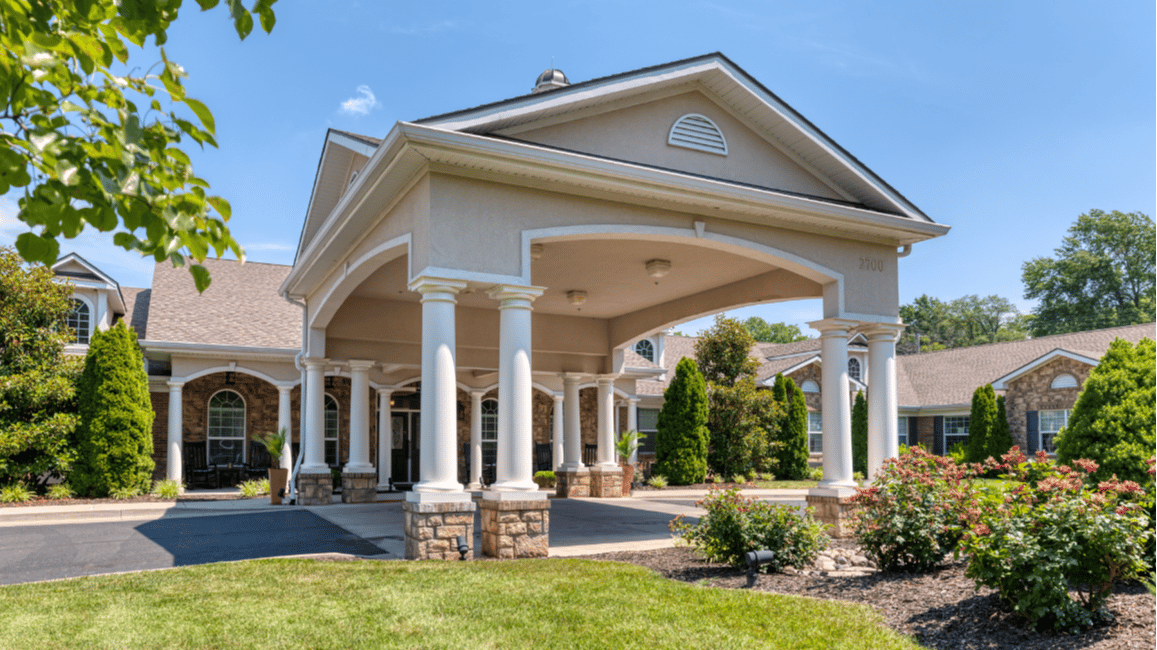
At Addington Place of Prairie Village, GLOW® Memory Care provides personalized support built around residents’ individual histories, preferences, and routines. Residents can also enjoy restaurant-style dining, meaningful life enrichment programs, gardens, and opportunities for both individual and group engagement. Exploring financing options alongside these day-to-day considerations can help families make a thoughtful decision without assuming the family home must immediately be sold.
Schedule a tour of Addington Place of Prairie Village to explore GLOW® Memory Care, learn about available floor plans and pricing, and gather the information needed to plan the next step with confidence.